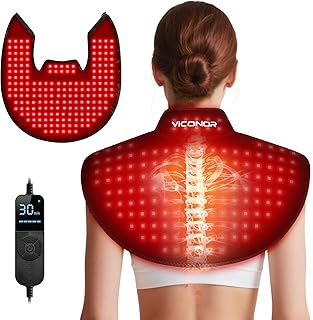
If you’ve been dealing with stubborn back pain or achy knees for months, maybe years you’ve probably tried everything. Heating pads, ice packs, ibuprofen, maybe even physical therapy. And while those things help, a lot of people in the US are quietly switching to something that’s been sitting in research labs for decades but only recently went mainstream red light therapy.
This isn’t a fad. It’s not a gimmick. And by the end of this article, you’ll understand exactly why so many people dealing with chronic pain, slow muscle recovery, and even skin issues are making it a daily habit.
What Is Red Light Therapy, Exactly?
Red light therapy (also called photobiomodulation) uses specific wavelengths of red and near-infrared light typically between 630nm and 850nm to penetrate your skin and stimulate your cells at a biological level. Think of it like charging a battery. Your mitochondria (the energy producers inside every cell) absorb this light and produce more ATP than your body’s fuel. More fuel means faster repair, less inflammation, and better cellular function overall.
It sounds complicated, but the experience is simple. You sit or stand near a red light therapy device for 10 to 20 minutes. No heat, no pain, no recovery time. Just light doing its job quietly at the cellular level.
What separates red light therapy from regular light exposure is the wavelength. Red light (around 630–660nm) works mostly at the skin’s surface, making it powerful for red light therapy on skin things like tone, texture, inflammation, and collagen. Near-infrared light (810–850nm) goes deeper, reaching muscles, joints, and even bone tissue, which is why it’s so effective for red light therapy for muscle pain and joint recovery.
Most quality red light therapy devices today combine both wavelengths so you get the full benefit in one session.
The Real Reason Your Back and Knees Stay Inflamed
Before we get into how red light therapy helps, it’s worth understanding why chronic pain is so hard to shake. When you injure something or even just overuse it your body triggers an inflammatory response. That’s normal and healthy in the short term. Acute inflammation brings blood flow, immune cells, and repair signals to the damaged tissue. Problem solved, pain goes away.
But chronic inflammation is different. It doesn’t switch off. The inflammatory signals keep firing even after the original injury has healed. Cytokines tiny proteins that regulate inflammation stay elevated. Blood flow to the area becomes sluggish. Collagen breaks down faster than it rebuilds. And the pain cycle just keeps spinning.
How Red Light Therapy Reduces Inflammation and Pain
- Cytokine Regulation
One of the most well-documented benefits of infrared red light therapy is its ability to regulate pro-inflammatory cytokines like TNF-alpha and IL-6. Multiple studies have shown that red and near-infrared wavelengths can down-regulate these signals essentially telling your body’s inflammatory response to calm down without suppressing your immune system. This is a big deal for people with chronic back pain or knee osteoarthritis, where runaway inflammation is the root driver of daily discomfort. - Improved Circulation and Tissue Oxygenation
Red light therapy also triggers the release of nitric oxide from your blood vessels. Nitric oxide is a natural vasodilator it widens blood vessels and improves circulation to the treated area. Better circulation means more oxygen and nutrients reaching your muscles and joints, and faster removal of metabolic waste that contributes to soreness and stiffness. For anyone dealing with lower back tightness or knee stiffness in the morning, this circulation boost is often felt within the first few sessions. - Collagen Stimulation
Here’s where red light therapy for skin inflammation and joint health actually overlap. Collagen isn’t just a beauty ingredient, it’s the structural protein that holds your joints, cartilage, and connective tissue together. As we age, collagen production naturally slows down. Red light therapy stimulates fibroblasts (collagen-producing cells) to ramp back up, which supports both red light therapy for skin rejuvenation and joint integrity at the same time.
Red Light Therapy for Muscle Recovery
Athletes and gym-goers in the US have quietly made red light therapy for muscle recovery part of their post-workout routine and the research backs them up.
A 2016 study published in Lasers in Medical Science found that participants who used red light therapy before and after exercise experienced significantly less muscle soreness and faster strength recovery compared to a control group. The mechanism is straightforward: less oxidative stress, better mitochondrial output, faster cellular repair.
But you don’t have to be an athlete to benefit. If your back muscles are chronically tight from sitting at a desk all day, or your knees ache after a long walk, the same recovery mechanisms apply. Your muscles are fatigued and inflamed. Red light therapy gives them the energy to repair faster.
Red Light Therapy on Skin The Side Benefit Nobody Talks About
Here’s something most pain-focused articles skip over entirely: when you’re using red light therapy for muscle pain in your back or knees, your skin is getting treated at the same time.
Red light therapy on skin at 630–660nm increases collagen density, reduces fine lines, calms red light therapy for skin inflammation, and can even help with conditions like rosacea and acne. People who start using red light therapy for pain often notice their skin looking clearer and more even-toned within a few weeks. It’s a genuine bonus effect, not just marketing language.
For those who want to target the skin specifically, a dedicated panel or mask focused on the face gives more concentrated results but the full-body benefits of a larger device cover both goals simultaneously.
Choosing the Right Red Light Therapy Device
This is where most people get stuck. There are dozens of devices out there, ranging from $30 handheld wands to $500 full-body panels. Here’s what actually matters:
- Wavelength
Look for devices that emit 630–660nm (red) and 810–850nm (near-infrared). Devices that only offer one wavelength give you half the benefit. - Power density (irradiance)
Measured in mW/cm², this tells you how much light energy reaches your tissue. Higher isn’t always better; the sweet spot for most therapeutic applications is 20–100 mW/cm² at the treatment distance. - Coverage area
For back pain, you want a panel or wrap-style device that covers a large enough area in one session. For knee pain or spot treatment, a handheld or targeted device works well. - Ease of use
If using it feels like a chore, you won’t stay consistent. Consistency is everything with red light therapy. Most research protocols involve 10–20 minutes, 3–5 times per week for at least 4 weeks before judging results.
What People Are Actually Using Highly Rated Options Worth Knowing About
Based on consistent ratings and real user feedback across the US, these four devices come up repeatedly in pain relief and wellness communities.
Viconor Red Light Therapy Device
A reliable all-rounder with dual red and near-infrared wavelengths and adjustable settings. Frequently mentioned by people managing lower back stiffness who notice real comfort improvements after 2–3 weeks of consistent use.
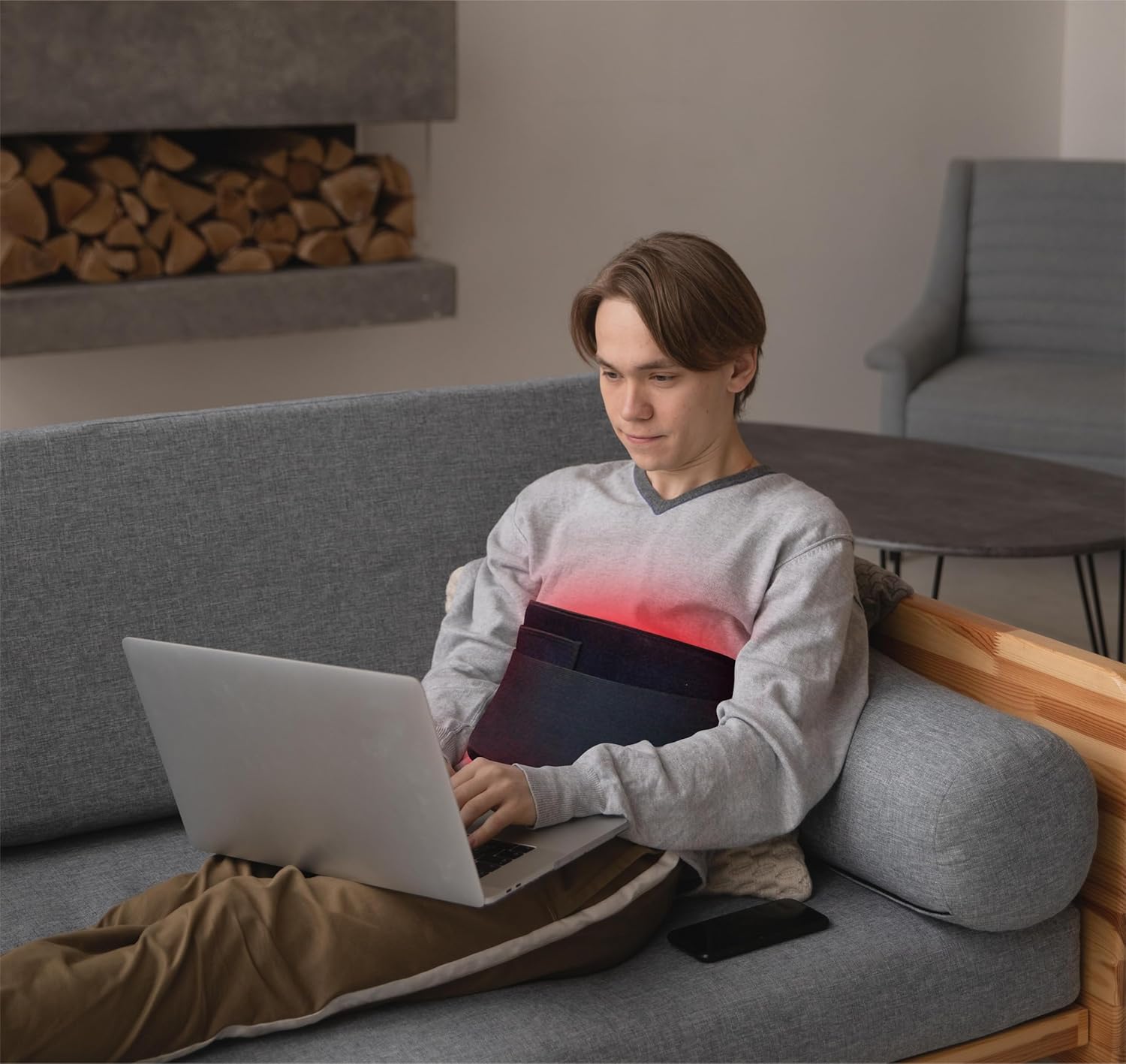
Infrared Red Light Therapy Portable Device
Built for targeted, on-the-go relief. The infrared and gentle heat combination makes it a go-to for knee pain and localized muscle soreness especially popular with older adults and post-workout users who want results without a bulky setup.
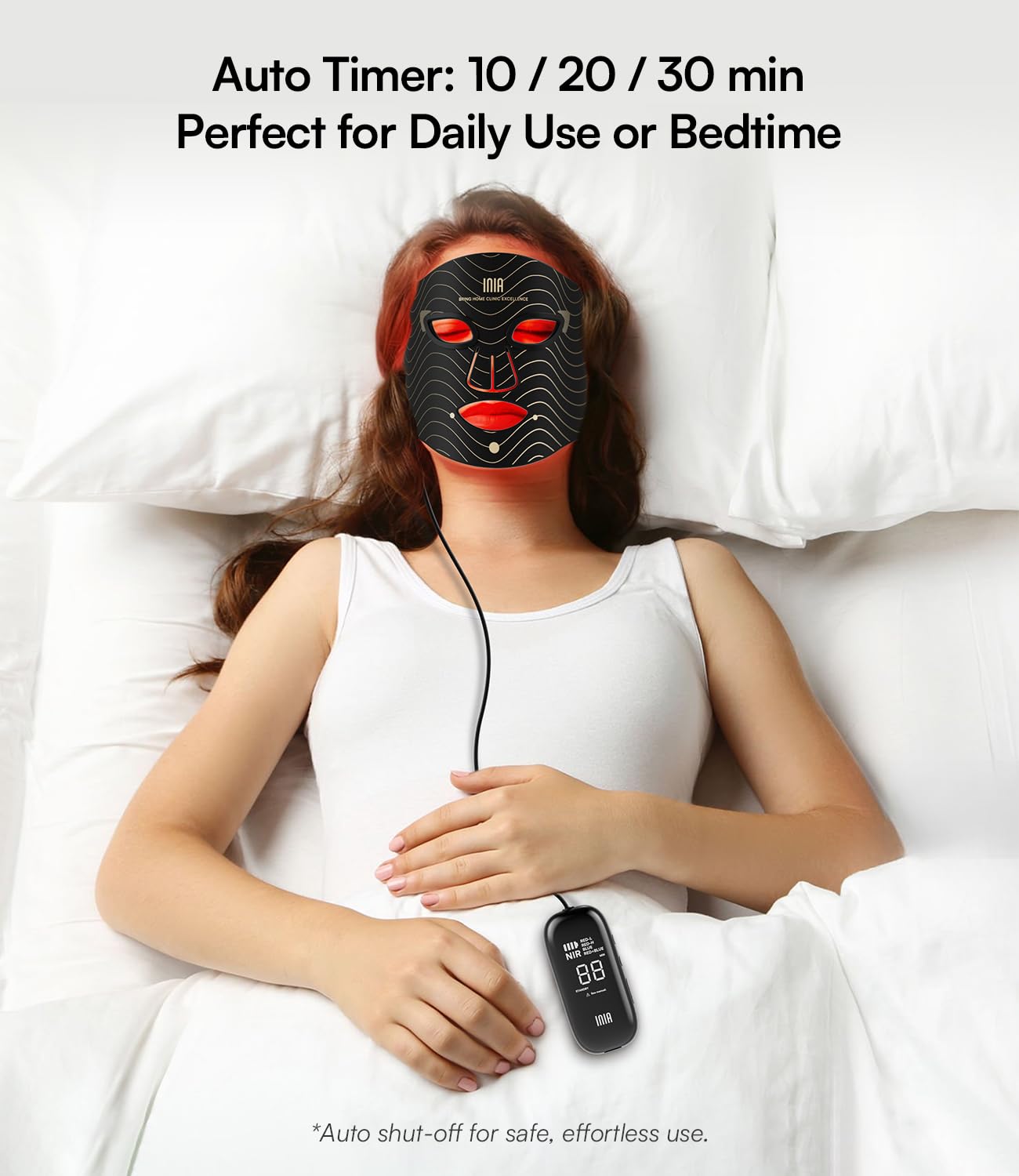
INIA Red Light Therapy Face Mask
Designed specifically for skin red light therapy for skin rejuvenation, reducing skin inflammation, and improving overall tone and texture. Delivers concentrated wavelengths directly to the face with a comfortable, hands-free fit. Consistently well-reviewed in skincare communities for visible results with regular use.
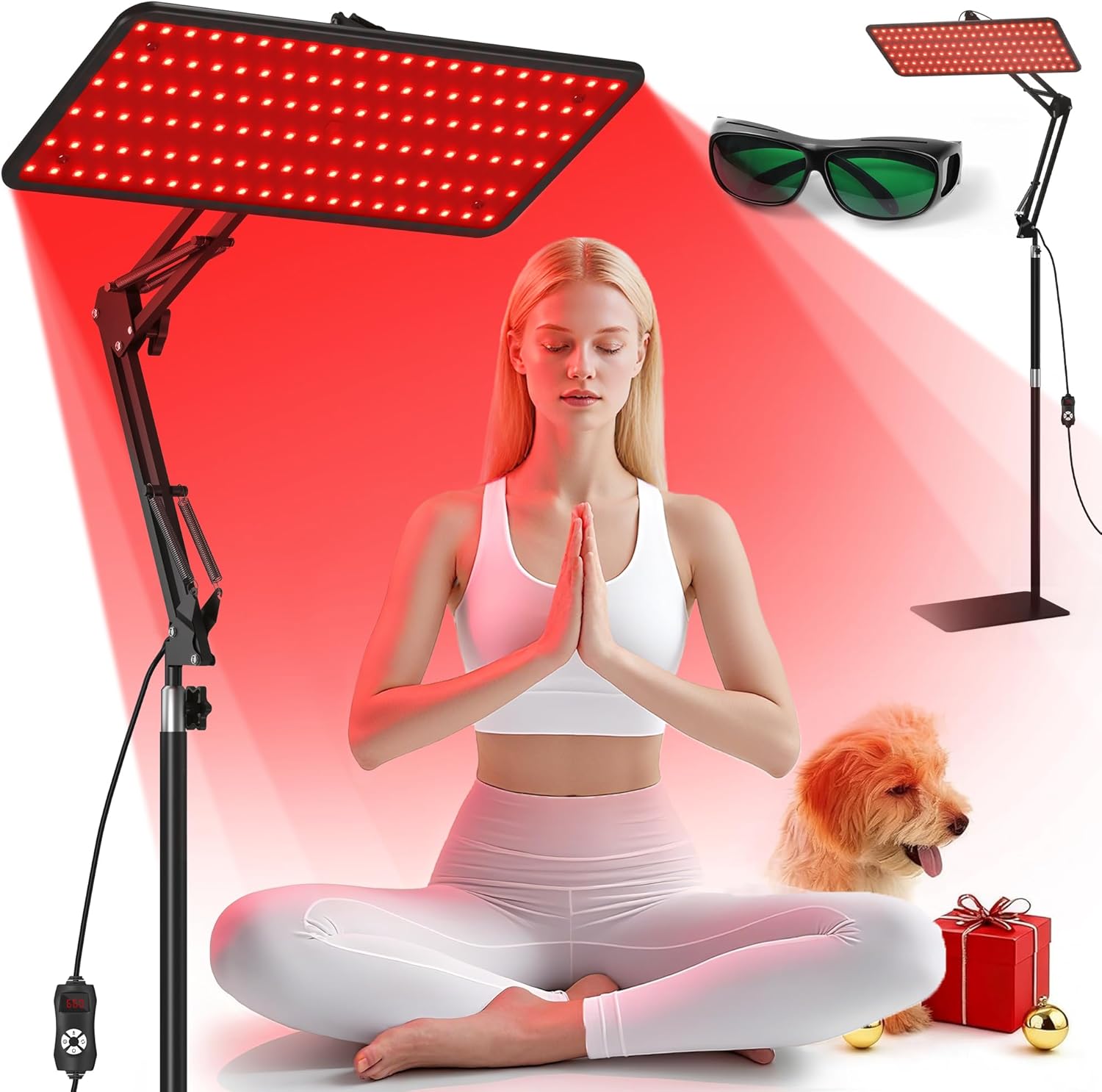
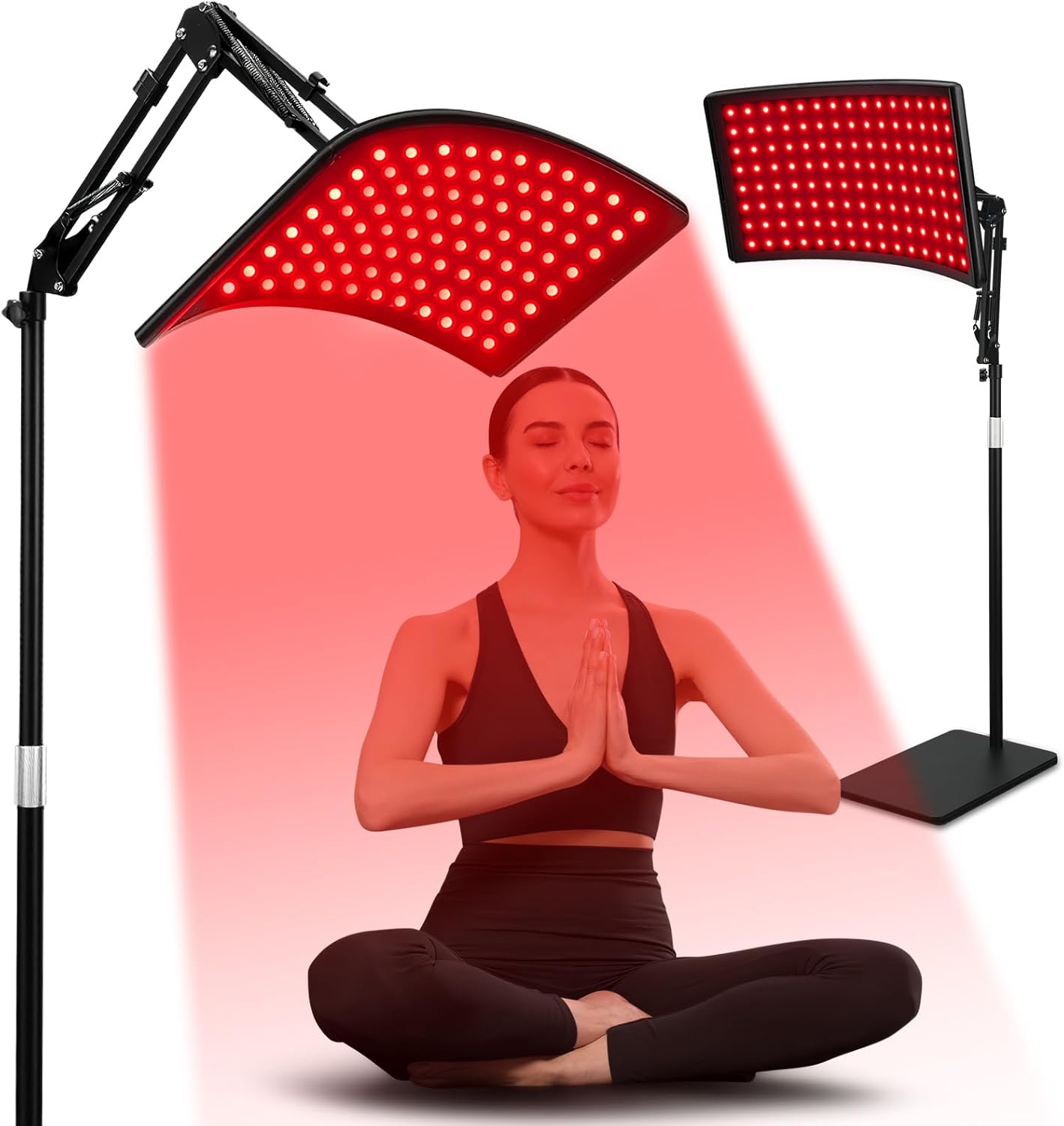
Morfone Full-Body Red Light Therapy Lamp
The closest thing to a clinical setup you can have at home. Covers back pain, muscle recovery, and skin health all in a single session. Reviewers regularly mention improvements in energy, skin tone, and chronic pain relief making it the top pick for anyone who wants comprehensive, full-body results without multiple devices.
“None of these are miracle cures. But they’re the kind of consistent, well-reviewed tools that make it easier to stay with a red light therapy protocol long enough to actually see results.”
Habits That Make Red Light Therapy Work Better
Red light therapy works best when it’s part of a broader routine, not a standalone fix. A few habits that consistently improve outcomes:
- Stay hydrated: Cellular repair and circulation both depend on adequate hydration. Drink water before and after sessions.
- Move gently after sessions: The increased blood flow from red light therapy makes light movement a short walk, gentle stretching more effective immediately after treatment.
- Be consistent over intensity: Three moderate sessions per week for six weeks will outperform six intense sessions in one week every time. The research on red light therapy is built on consistency.
- Combined with anti-inflammatory nutrition: Omega-3s, magnesium, and turmeric have all shown synergistic effects with photobiomodulation in reducing chronic inflammation markers.
Who Is Red Light Therapy Best Suited For?
Red light therapy tends to work particularly well for people with chronic (not acute) inflammation, those in the 40+ age group where natural cell repair is slowing down, athletes and active people managing ongoing muscle fatigue, and anyone looking for a non-pharmaceutical daily tool for pain management.
It is not a replacement for medical treatment. If you have an undiagnosed injury, nerve compression, or inflammatory disease like rheumatoid arthritis, talk to your doctor before adding red light therapy to your routine.
About The Light Life US
Finding honest, straightforward information about red light therapy online is harder than it should be. Most of what you’ll find is either heavily biased toward selling something or written in clinical language that’s nearly impossible to decode without a medical degree. The Light Life US exists to change that.
We’re an independent educational platform built specifically for Americans navigating the growing world of light-based wellness. No products, no clinics, no hidden agenda. Just clear, research-backed information designed to help you understand what red light therapy actually does, whether it’s right for your situation, and how to make informed decisions without the noise.
Our focus is simply to take complex photobiomodulation (PBM) research and translate it into answers real people can actually use. Whether you’re exploring red light therapy for the first time or looking to go deeper on the science behind muscle recovery, skin health, or chronic pain management, we’re here to help you find clarity. Think of The Light Life US as that knowledgeable friend who’s read everything on the topic and just wants you to make the right call for your health, not theirs.
Because good information, freely given, is the most useful thing we can offer.
FAQs – (Frequently Asked Questions)
Q1. Is red light therapy safe for daily use?
Yes, for most people. Red light therapy is non-thermal at therapeutic doses and has a strong safety profile in clinical research. Many protocols suggest daily or every-other-day sessions of 10–20 minutes.
Q2. How long before you see results for back or knee pain?
Most people report noticeable changes in discomfort and stiffness within 2–4 weeks of consistent use. Inflammation reduction can begin at the cellular level much sooner, but subjective pain relief typically follows a cumulative pattern.
Q3. What wavelength is best for joint pain?
Near-infrared wavelengths, specifically 810nm to 850nm, penetrate deep enough to reach joint tissue and are most associated with pain and inflammation reduction. Devices combining red (660nm) and near-infrared (850nm) give you both surface and deep tissue coverage.
Q4. Can red light therapy help with both pain and skin at the same time?
Yes. Because red wavelengths work at the skin level and near-infrared goes deeper, a full-spectrum device addresses both simultaneously. This is why users frequently report skin improvements even when they started using the device purely for pain relief.
Q5. Can red light therapy replace physical therapy?
No but it can complement it significantly. Think of it as reducing the inflammation and accelerating the cellular repair that makes your physical therapy or exercise more effective.