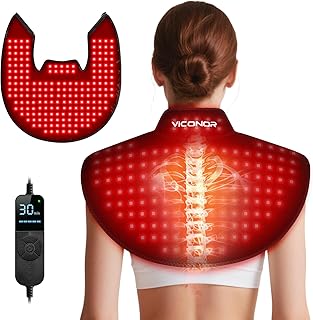
If you are planning to buy a red light therapy device, understanding its benefits, features, and proper use can help you make a smarter purchase. Red light therapy has gained attention among people looking for at-home skincare support, muscle recovery, and convenient wellness routines.
Understanding red light therapy buy benefits also helps you compare different devices without relying on marketing claims alone. From compact LED panels to larger full-body systems, the right choice depends on your goals, available space, budget, and the manufacturer’s product specifications.
At infraredlight-therapy, shoppers can explore red light therapy options while learning what to consider before investing in an at-home device. This guide explains the potential benefits, essential features, and practical buying tips to help you choose with confidence.
What Is Red Light Therapy?
Red light therapy, also called photobiomodulation, uses specific wavelengths of red or near-infrared light to influence biological processes in cells. Unlike ultraviolet light, red light therapy does not rely on UV radiation to produce its intended effects.
Red light typically targets more superficial tissues, while near-infrared light can penetrate deeper into tissue. Researchers continue to study how these wavelengths may support skin health, pain management, and other applications. Results vary depending on the device, treatment protocol, and individual.
Red Light Therapy Buy Benefits: What Can You Expect?
The potential benefits of red light therapy depend on the condition being addressed and how consistently someone uses an appropriate device. Research supports some applications more strongly than others, so it is important to separate realistic expectations from exaggerated claims.
Support for Skin Health
One of the most discussed red light therapy benefits is its potential role in improving the appearance of skin. Some studies suggest that suitable red light treatments may support collagen-related processes and help improve the appearance of fine lines and skin texture.
However, results are not guaranteed. Device quality, wavelength, treatment frequency, and individual skin characteristics can influence outcomes.
Muscle Recovery and Exercise Support
Red and near-infrared light therapy are being studied for their potential effects on exercise-related muscle soreness, recovery, and physical performance. Some research reports promising findings, although results differ across studies and treatment methods.
People who exercise regularly may consider these devices as a complementary part of their recovery routine. They should not replace adequate sleep, hydration, balanced nutrition, or appropriate medical care.
Potential Relief From Certain Types of Pain
Photobiomodulation has been investigated for certain musculoskeletal conditions and localized pain. Some clinical studies suggest potential benefits, but effectiveness depends on the condition, treatment parameters, and quality of the evidence.
If you have persistent or unexplained pain, consult a qualified healthcare professional before using a light therapy device as part of your treatment plan.
Convenient At-Home Wellness
A home device can make it easier to follow a consistent routine without traveling to a clinic. Depending on the product, you may choose a handheld device for a small treatment area, a panel for broader coverage, or a specialized device designed for a particular purpose.
Convenience matters, but it should never outweigh safety information, realistic claims, and product quality.
Best Red Light Therapy Benefits: Which Device Features Matter?
When comparing the best red light therapy benefits, look beyond the product’s appearance and promotional language. The device’s specifications and intended use are more useful indicators of whether it suits your needs.
How to Choose the Right Red Light Therapy Device
Follow these practical steps before making a purchase.
Define your goal. Decide whether you want to focus on skincare, a specific treatment area, or a broader wellness routine.
Choose the right design. A handheld device may suit a small area, while a panel may provide more coverage. Match the design to your available space and intended use.
Check the wavelengths. Look for clearly stated wavelengths and verify that they match the device’s intended application.
Review irradiance and distance. Ask how the output was measured and at what distance. Avoid comparing figures that use different testing methods.
Read the instructions. Confirm recommended session length, frequency, positioning, and eye safety precautions.
Compare warranty and support. Review return terms, warranty coverage, replacement policies, and access to product guidance.
Expert Tip: Evaluate the Complete Treatment Protocol
A device’s wavelength alone cannot establish its effectiveness. Treatment duration, distance from the skin, irradiance, and frequency all influence the amount of light delivered. Follow the manufacturer’s instructions and avoid assuming that longer or more frequent sessions will produce better results.
Is Red Light Therapy Safe for Home Use?
Red light therapy devices appear generally safe when used correctly, but they are not risk-free. Some people experience temporary redness, irritation, or discomfort. Eye safety is especially important, so follow the manufacturer’s instructions and use the recommended protective eyewear when required. People with photosensitivity, relevant medical conditions, or medications that increase light sensitivity should seek professional advice before treatment. Also, do not assume that an FDA-cleared device is guaranteed to deliver better results. FDA clearance relates to the device’s regulatory status and intended use, not a promise of effectiveness for every condition.
Why Consider infrared light-therapy?
Choosing an at-home light therapy device requires more than comparing prices. Buyers need understandable product specifications, clear usage instructions, and realistic information about potential results.
infrared light-therapy provides a relevant starting point for people researching red and infrared light therapy products. Before selecting a device, compare its intended application, treatment coverage, operating instructions, and warranty information.
When evaluating products, look for transparent details rather than promises of instant results. A suitable device should fit your routine and offer clear guidance on safe, appropriate use.
Conclusion
Understanding red light therapy buy benefits helps you make a more informed decision about at-home wellness equipment. From skincare support to selected pain-management and recovery applications, photobiomodulation offers potential benefits, but results vary and research continues to develop.
Focus on your goals, compare verified specifications, and follow appropriate safety guidance before buying. Avoid products that promise guaranteed cures or immediate results.
Explore infrared light-therapy to research available options and compare the features that matter most to your needs. A well-informed purchase starts with realistic expectations, transparent product information, and responsible use.
Frequently Asked Questions
What are the main red light therapy buy benefits?
The potential benefits include improved skin appearance, support for certain pain-management applications, and possible benefits for exercise recovery. However, scientific evidence varies by condition and treatment protocol. Choose a device designed for your intended use and discuss medical concerns with a qualified healthcare professional.
What are the best red light therapy benefits for skin?
Research suggests that some red light devices may help improve the appearance of fine lines, wrinkles, and skin texture. Results depend on the device and treatment routine. Red light therapy should complement, not replace, sunscreen, gentle skincare, or professional dermatological treatment when needed.
How do I choose the best red light therapy device?
Start by identifying your main goal, then compare wavelengths, irradiance, treatment coverage, safety instructions, and warranty terms. Check whether the manufacturer explains how it measured light output. Avoid choosing a product based only on high power claims, attractive pricing, or customer testimonials.
Can I use red light therapy every day?
Not every device is designed for daily use. Follow the manufacturer’s recommended session length, frequency, and distance. More frequent or longer sessions do not necessarily improve results and may increase the chance of irritation or discomfort.
Is red light therapy better than near-infrared therapy?
Neither is universally better. Red light is commonly used for superficial applications, while near-infrared light can penetrate deeper into tissue. The most appropriate option depends on your goals, the device’s specifications, and the evidence supporting its intended use.