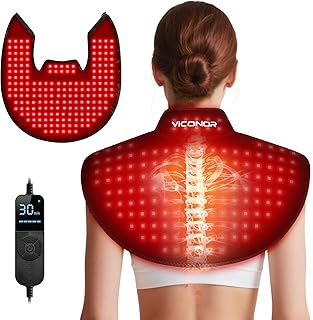
If you’ve been scrolling through wellness content lately, you’ve probably noticed something: everyone seems to be bathing in red light. Literally. From dermatologists to fitness coaches, from skincare influencers to your neighbor who swears by her new morning routine, Red Light Therapy is absolutely everywhere right now. And it’s not just hype. There’s real science behind why millions of people have made this their non-negotiable daily habit in 2026.
“But let’s back up. If you’re still a little fuzzy on what this whole thing actually is, don’t worry. By the end of this post, you’ll understand exactly what Red Light Therapy is, why it works, and why it might just be the most powerful addition to your wellness routine that you haven’t tried yet.”
So, What Exactly Is Red Light Therapy?
At its core, Red Light Therapy is a non-invasive treatment that uses low-wavelength red light to penetrate the skin and stimulate your body’s natural healing and regenerative processes. We’re talking wavelengths in the 630–850 nanometer range light that your eyes can see as a warm, deep red glow, but that goes far deeper than the surface of your skin.
Unlike UV rays from the sun (which damage skin cells over time), red light works with your cells rather than against them. It energizes the mitochondria, the tiny powerhouses inside each of your cells pushing them to produce more ATP, which is essentially cellular fuel. More fuel means more repair, more regeneration, and yes, more glow.
Think of it this way: if your skin cells were a tired workforce running on empty, Red Light Therapy is like giving them a full night’s sleep, a great meal, and a motivational speech all at once.
Why 2026 Is the Year Everyone Woke Up to This
Honestly, red lights aren’t new. NASA was experimenting with it decades ago, originally to help plants grow in space. Over the years, clinical research quietly piled up study after study showing benefits for skin, pain, recovery, and more. But the technology was expensive, bulky, and mostly confined to clinical settings.
Fast forward to now, and the devices have become sleek, affordable, and genuinely effective for home use. Social media did its part, sure but what really pushed Red Light Therapy into the mainstream in 2026 is the fact that people started seeing results and talking about them out loud. Real results. Visible ones. The kind that makes your coworker ask, “Wait, did you do something different? You look amazing.”
The Skin Benefits That Have Everyone Obsessed
Let’s talk about the reason most people fall down this rabbit hole in the first place: skin.
Red Light Therapy for Skin Rejuvenation has become one of the most researched and celebrated uses of this technology. When red light penetrates the dermis, it stimulates the production of collagen and elastin, two proteins that are absolutely essential for firm, plump, youthful-looking skin. As we age, our bodies produce less of both. Fine lines appear. Skin loses its bounce. You know the story.
But here’s the exciting part: Red Light Treatment for Skin has been shown in multiple clinical studies to genuinely reverse some of these signs of aging. We’re talking about real, measurable improvements in skin texture, tone, pore size, and elasticity. It reduces redness and inflammation, which makes it a game-changer for people dealing with rosacea, eczema, or post-acne scarring.
And for people who’ve struggled with dull, uneven skin despite trying every serum on the market? Red Light Treatment for Skin often does what topicals simply can’t: it works from the inside out, at the cellular level, rather than just sitting on top of your skin hoping for the best.
Healing Faster Than You Ever Thought Possible
One of the lesser-talked-about but genuinely impressive applications is Red Light Therapy for Wound Healing. This isn’t just for athletes or surgery patients, it’s for anyone who deals with slow-healing skin, chronic irritation, or even just the aftermath of a bad breakout.
The science here is pretty fascinating. Red light accelerates the production of new blood vessels (a process called angiogenesis) and promotes faster cell turnover. This means cuts, scrapes, surgical scars, and skin irritations heal more quickly and with less visible scarring. Dermatologists have started incorporating Red Light Therapy for Wound Healing into post-procedure protocols precisely because of how dramatically it speeds up recovery.
If you’ve ever had a stubborn blemish that just wouldn’t quit, or a spot that left a dark mark for months, you already understand why faster healing matters. This is the kind of benefit that quietly changes your relationship with your own skin.
It’s Not Just a Skin Thing Your Muscles Will Thank You Too
Here’s where things get really interesting for the active folks out there. Red Light Therapy for Muscle Pain is having its own massive moment in 2026, especially in the fitness and sports recovery world.
After intense exercise, your muscles experience micro-tears and inflammation that’s the soreness you feel the next day. Red Light Therapy for Muscle Pain works by reducing that inflammation, increasing circulation to the affected area, and accelerating the repair of damaged muscle tissue. Athletes who use it consistently report shorter recovery times, less stiffness, and better overall performance because they’re not constantly training on a body that’s still healing from last time.
But you don’t have to be a professional athlete for this to matter. If you sit at a desk all day, carry tension in your shoulders and lower back, or just feel chronically achy, Red Light Therapy for Muscle Pain can bring real relief. It’s not masking the pain the way a painkiller does. It’s actually helping your body fix the underlying problem.
What a Real Session Actually Looks Like
One of the most common questions people ask is: what does it actually feel like?
Honestly? It’s one of the most relaxing things you can do for your body. You sit or lie comfortably in front of a red light panel, wearing protective eyewear if your device requires it, for anywhere between 10 to 20 minutes. There’s no heat that burns, no discomfort, no downtime. Most people describe it as a gentle warmth deeply soothing rather than intense.
You don’t need to do anything during a session. Read, meditate, listen to a podcast, or just breathe. Your cells are doing all the work.
Results aren’t instant and this is important to understand. Red Light Therapy is not a one-and-done miracle. Most people start noticing changes in their skin and how their body feels after two to four weeks of consistent use. By the six to eight week mark, the results become significantly more noticeable and, crucially, they continue to improve with ongoing use.
Who Should Be Using Red Light Therapy Right Now?
The short answer? Almost everyone can benefit.
If you’re in your 20s, it’s a powerful preventive tool keeping your collagen production high and your skin in peak condition before the natural decline begins. In your 30s and 40s, Red Light Therapy for Skin Rejuvenation becomes a frontline strategy against the visible signs of aging that start becoming more obvious. In your 50s and beyond, the combination of skin, joint, and muscle benefits makes it one of the most comprehensive wellness investments you can make.
People dealing with chronic pain, inflammatory skin conditions, slow-healing wounds, post-workout recovery, or simply a loss of skin vitality all of them are finding that Red Light Therapy fills a gap that nothing else quite addressed.
Of course, as with any wellness treatment, it’s always smart to check in with your doctor first especially if you’re on photosensitizing medications or dealing with specific medical conditions.
The Bottom Line: Why This Isn’t Going Anywhere
What separates Red Light Therapy from a thousand other wellness trends that come and go? The research. The results. And the fact that it works on multiple levels simultaneously skin, recovery, pain, energy rather than solving one narrow problem.
In 2026, people are done with skincare that promises everything and delivers nothing. They’re done with recovery routines that don’t actually help them feel better faster. They want something that works, backed by science, and gentle enough to use every single day without side effects.
Red Light Therapy delivers all of that. It’s why it’s not just a trend, it’s becoming a lifestyle standard for people who take their health and their skin seriously.
FAQs – (Frequently Asked Questions)
Q1. How long does it take to see results from Red Light Therapy?
Most people begin noticing visible improvements in skin texture and energy levels within 2 to 4 weeks of consistent daily use. Results continue to improve significantly with ongoing sessions over 6 to 8 weeks.
Q2. Is Red Light Therapy safe for all skin types?
Yes, Red Light Therapy is considered safe for all skin tones and types as it uses non-UV, non-invasive wavelengths that work gently with your cells. However, always consult your dermatologist if you have sensitive skin conditions or take photosensitizing medications.
Q3. How often should I use Red Light Therapy for best results?
For optimal results, most experts recommend daily sessions of 10 to 20 minutes, at least 5 times per week. Consistency is the key factor that separates people who see dramatic results from those who don’t.
Q4. Can Red Light Therapy help with both skin and muscle pain together?
Absolutely, one of the biggest advantages of Red Light Therapy is that a single session simultaneously supports skin rejuvenation and helps reduce muscle inflammation and soreness. Your skin and body both benefit every time you use it.
Q5. Is Red Light Therapy at home as effective as professional clinic treatments?
High-quality at-home devices designed with the right wavelengths and power output can deliver results very comparable to professional clinic sessions. The key is choosing a trusted, well-engineered device and using it consistently as part of your daily routine.