If you’ve been scrolling through wellness content lately, chances are you’ve come across glowing red panels, LED masks, and handheld devices promising everything from clearer skin to faster muscle recovery. Red light therapy has gone from a niche clinical treatment to one of the most talked-about wellness tools in the United States and for good reason. The science behind it is real, the results are accumulating, and more Americans are discovering what dermatologists and physical therapists have quietly known for years.
So what exactly is going on? And does it actually work? Let’s break it all down.
What Is Red Light Therapy, Exactly?
Red light therapy for skin and body wellness involves exposing the skin to low-wavelength red and near-infrared light, typically in the range of 630 to 850 nanometers. Unlike UV light, which damages the skin, red and infrared wavelengths penetrate safely into the deeper layers of tissue reaching the cells where the real action happens.
At the cellular level, this light interacts with the mitochondria, the tiny powerhouses inside your cells. It essentially gives them a boost, helping cells produce more ATP (adenosine triphosphate), which is your body’s primary energy currency. When your cells have more energy, they repair faster, function better, and communicate more efficiently. That’s the foundation behind every benefit red light therapy offers.
What It Does for Your Skin
This is where most people start their red light journey skin concerns. Whether it’s stubborn acne, early signs of aging, or dullness that just won’t budge, red light treatment for skin has become a go-to solution for people looking for non-invasive, drug-free options.
- Fighting Acne
Acne is one of the most common skin conditions in the country, affecting tens of millions of Americans of all ages. The typical approach involves topical creams, antibiotics, or harsh chemical treatments. Red light therapy for skin offers a gentler path. It works by reducing inflammation in the skin and targeting the bacteria responsible for breakouts. It also helps regulate sebum production over time, which means fewer clogged pores.
Many people who’ve struggled with chronic acne, especially the painful, cystic kind report significant improvement after consistent use. It doesn’t happen overnight, but over several weeks of regular sessions, the skin tends to calm down noticeably.
- Collagen, Wrinkles, and Anti-Aging
Collagen is the protein responsible for keeping your skin firm, plump, and youthful. As we age, collagen production naturally slows down. Sun damage, stress, and lifestyle habits accelerate that decline. The result? Fine lines, sagging, and skin that just doesn’t bounce back the way it used to.
Here’s where red light treatment for skin shines literally. Multiple clinical studies have shown that regular exposure to red light stimulates fibroblasts, the cells that produce collagen and elastin. This isn’t a surface-level fix. The light penetrates deep enough to trigger real biological change. Users and researchers alike have documented improvements in skin texture, firmness, and the reduction of fine lines with consistent use over 8 to 12 weeks.
- Hyperpigmentation and Skin Tone
Uneven skin tone, dark spots from sun exposure, and post-inflammatory hyperpigmentation are other areas where red light therapy shows genuine promise. By supporting cellular turnover and reducing chronic inflammation, it helps even out pigmentation over time without the irritation that often comes with chemical exfoliants or laser treatments.
Wound Healing: A Clinical Powerhouse
One of the most well-documented and medically recognized uses of this technology is light therapy for wound healing. This isn’t just wellness trend territory, it’s been studied extensively in clinical settings, and the results are compelling.
Red and near-infrared light accelerate the healing process by stimulating cellular repair, increasing circulation in the treated area, and reducing inflammation that can slow recovery. This has meaningful implications for a wide range of people from post-surgical patients to individuals with diabetic ulcers, burns, and chronic skin wounds.
Light therapy for wound healing has shown particular promise for hard-to-heal wounds, which remain a major healthcare challenge in the United States. By enhancing the body’s natural repair mechanisms at the cellular level, consistent light therapy applications have been associated with faster tissue regeneration and reduced scarring.
Even minor cuts, abrasions, and skin irritations tend to resolve more quickly with red light support making it a useful tool not just for clinical patients but for everyday people who want their skin to recover faster after procedures, sunburns, or skin trauma.
The Benefits of Infrared Red Light Therapy Go Deeper Than Skin
When people first learn about red light therapy, they often focus on cosmetic benefits. But the benefits of infrared red light therapy extend well beneath the surface into the muscles, joints, and nervous system.
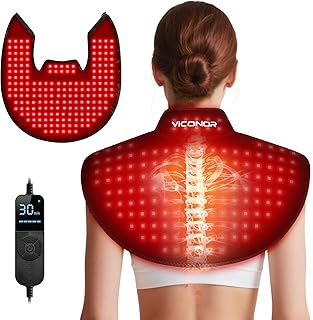
Near-infrared wavelengths (typically 800–850 nm) penetrate even deeper than visible red light, reaching muscle tissue, connective tissue, and even bone. This is why benefits of infrared red light therapy are often discussed in the context of pain management and inflammation.
People dealing with chronic joint pain, arthritis, back pain, and inflammation have found meaningful relief through consistent infrared therapy. It doesn’t simply mask the pain the way a painkiller might it addresses the underlying inflammation and supports cellular repair in the affected tissue.
Red Light Therapy for Muscle Recovery
Athletes and fitness enthusiasts across the country have started incorporating red light panels into their recovery routines and the evidence backs them up. Red light therapy for muscle recovery has become one of the most exciting and research-supported applications of this technology.
After intense exercise, muscles experience microtears and oxidative stress. The recovery process involves cellular repair, inflammation management, and energy replenishment. This is exactly the kind of environment where red light therapy for muscle recovery thrives.
Studies have shown that using red or near-infrared light before or after workouts can reduce delayed onset muscle soreness (DOMS), decrease markers of muscle damage in the blood, and improve performance in subsequent training sessions. For competitive athletes, that can mean training harder, recovering faster, and staying injury-free longer.
But it’s not just for elite athletes. Anyone who exercises regularly, works a physically demanding job, or simply wakes up stiff and sore can benefit from supporting their body’s natural recovery with light therapy.
How Often Should You Use It?
Consistency is the key factor in seeing results. Most experts and research protocols suggest sessions of 10 to 20 minutes, three to five times per week. The distance from the device matters too generally 6 to 24 inches depending on the device’s power output.
Results are cumulative. Skin improvements from regular sessions typically become visible after 4 to 12 weeks. Muscle recovery benefits can be felt sooner, sometimes within days of consistent use. Like most health habits, it’s about building a routine rather than expecting a single magical session to transform everything.
Safety and What to Know Before You Start
Red light therapy for skin is considered safe for most people. It produces no UV radiation and doesn’t burn or damage tissue when used as directed. The most commonly noted precaution is protecting the eyes. Many devices come with protective goggles for a reason. People on photosensitizing medications should check with a healthcare provider before starting.
It’s non-invasive, requires no downtime, and has no harsh side effects which is a big part of why it’s resonated with so many Americans looking for natural, science-backed approaches to wellness.
Final Thoughts
From clearing stubborn acne to stimulating collagen, from accelerating wound healing to slashing recovery time after tough workouts, red light therapy for skin and body health represents a genuinely exciting frontier in everyday wellness. Science has matured significantly over the past two decades, and the conversation has moved from “does this work?” to “how do I make it work best for me?”
For those eager to learn more and make informed choices about incorporating this technology into their routines, The Light Life USA is a trusted educational resource dedicated to helping Americans understand the science and practical applications of red light therapy. With well-researched content covering everything from device selection to protocol guidance, The Light Life USA ensures that anyone curious about the benefits of infrared red light therapy or red light therapy for muscle recovery has access to accurate, reliable information to guide their wellness journey.
FAQs – (Frequently Asked Questions)
Q1. Why do most people misunderstand the purpose of red light therapy?
Because it became widely known through skincare marketing, most people assume it is primarily a beauty treatment when its core purpose is cellular energy restoration that benefits the entire body.
Q2. How is red light therapy different from regular light or UV exposure?
Red and near-infrared wavelengths are specifically absorbed by mitochondria to produce cellular energy unlike UV light which damages skin, or visible light which has no measurable therapeutic penetration.
Q3. Can red light therapy help with chronic pain?
Yes, by restoring cellular energy and reducing systemic inflammation at the tissue level, it addresses the underlying conditions driving persistent pain rather than just masking the symptoms.
Q4. How long before the purpose of red light therapy produces visible results?
Most people notice meaningful changes within three to four weeks of consistent sessions, with deeper structural improvements continuing to develop over two to three months of regular use.
Q5. Does combining infrared sauna therapy with red light therapy make a difference? Significantly infrared sauna therapy creates the circulatory and hormonal conditions that allow red light therapy to work more efficiently, compounding results faster than either delivers alone.