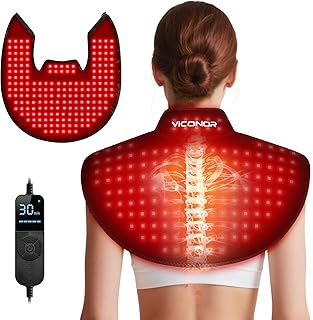
Muscle soreness is something most people experience at some point, whether from exercise, long work hours, or physical strain. Finding a method that supports comfort and recovery without adding complexity to your routine can make a noticeable difference. One approach that has gained attention is infrared therapy for muscles . This method uses light to interact with the body in a way that may support muscle relaxation and recovery.
In this article, we’ll explore what infrared therapy for muscle soreness is, how it works, and why many people consider it part of their muscle recovery therapy routine.
Understanding Infrared Therapy for Muscles
Infrared therapy for muscles involves the use of infrared light, a type of energy that is not visible to the human eye but can be felt as heat. Unlike traditional heating methods that warm only the surface of the skin, infrared light penetrates deeper into tissues.
This deeper reach is what makes infrared therapy for muscle soreness different from a standard heating pad. Instead of only warming the outer layer, it interacts with muscles, joints, and soft tissues below the skin.
Infrared light therapy is commonly used in devices such as lamps, wraps, and full-body panels. These tools are designed to deliver controlled wavelengths of light to specific areas of the body where discomfort or stiffness is present.
How Infrared Light Therapy Works
To understand how infrared therapy for muscles works, it helps to look at how the body responds to light energy.
When infrared light reaches the skin, it penetrates into the underlying tissues. This interaction may support several natural processes:
Increased Blood Circulation
Infrared light can gently warm the tissues, encouraging blood vessels to expand. This allows more oxygen and nutrients to reach the muscles. Improved circulation plays a role in muscle pain relief and recovery.
Muscle Relaxation
Tension in muscles often contributes to soreness. The heat generated by infrared light may help muscles relax, making it easier to move and reducing stiffness.
Cellular Activity
Infrared light therapy may influence how cells produce energy. This process is sometimes associated with improved tissue repair, which can support muscle recovery therapy after physical activity.
Reduced Discomfort Signals
Some users report that infrared therapy for muscle soreness helps ease the sensation of pain. While experiences vary, the warmth and tissue interaction may contribute to a calming effect on the affected area.
Why People Use Infrared Therapy for Muscle Soreness
There are several reasons why individuals turn to infrared therapy for muscles as part of their routine:
Support After Exercise
After workouts, muscles can feel tight or sore. Infrared therapy is often used to support muscle recovery therapy by helping the body relax and restore balance.
Everyday Muscle Strain
Long hours of sitting, standing, or repetitive motion can lead to discomfort. Infrared light therapy provides a way to address these areas without requiring intense effort.
Non-Invasive Approach
Infrared therapy does not involve medication or invasive procedures. This makes it appealing to those looking for a gentle way to manage muscle pain relief.
Convenience at Home
Devices offered by brands like The Lite Life in New York allow people to use infrared therapy in their own space. This convenience makes it easier to include sessions regularly.
Types of Infrared Light Used in Therapy
Infrared therapy for muscles typically uses three types of infrared wavelengths:
Near-Infrared (NIR)
Near-infrared light penetrates the skin at a moderate depth and is often used for surface-level concerns and mild soreness.
Mid-Infrared (MIR)
Mid-infrared light reaches slightly deeper tissues and may be used for muscle tension and joint discomfort.
Far-Infrared (FIR)
Far-infrared light penetrates deeper into the body and is commonly associated with full-body relaxation and muscle recovery therapy.
Each type plays a role depending on the device and intended use.
What a Typical Infrared Therapy Session Looks Like
A session using infrared therapy for muscle soreness is generally simple and comfortable:
- The device is positioned near the affected area
- The light is applied for a set period, usually between 10 to 30 minutes
- The user may feel a gentle, soothing warmth
- Sessions can be repeated based on personal preference and needs
Consistency is often key when incorporating infrared light therapy into a routine.
Comparing Infrared Therapy to Traditional Heat Therapy
While both methods use heat, there are differences worth noting:
Surface vs. Deep Penetration
Traditional heat sources like hot packs warm the skin’s surface. Infrared therapy for muscles reaches deeper tissues.
Duration of Relief
Because infrared light interacts with deeper layers, some users feel longer-lasting comfort compared to surface heat.
Energy Efficiency
Infrared devices often focus heat directly on the body rather than warming the surrounding air.
Safety Considerations
Infrared therapy for muscle soreness is generally considered safe when used correctly. However, there are a few points to keep in mind:
- Follow the manufacturer’s instructions
- Avoid prolonged exposure beyond recommended time
- Keep devices at a safe distance from the skin
- Consult a healthcare provider if you have underlying conditions
Using infrared light therapy responsibly helps ensure a positive experience.
Who Can Benefit from Infrared Therapy for Muscles
Infrared therapy for muscles may be suitable for a wide range of individuals:
- Fitness enthusiasts dealing with post-workout soreness
- Office workers experiencing stiffness from long sitting hours
- Older adults managing everyday muscle discomfort
- Anyone looking for a non-invasive option for muscle pain relief
It is always advisable to assess personal needs before starting any new therapy.
Integrating Infrared Therapy into a Routine
Adding infrared therapy for muscle soreness to your daily or weekly routine doesn’t require major changes. Here are a few simple ideas:
- Use it after workouts as part of muscle recovery therapy
- Apply it before stretching to help loosen muscles
- Include short sessions during rest days
- Combine it with hydration and proper nutrition
Consistency and balance are important when aiming for lasting results.
The Role of Infrared Therapy in Muscle Recovery Therapy
Muscle recovery therapy involves helping the body return to a comfortable state after strain or exertion. Infrared light therapy can be one part of this process.
By supporting circulation, relaxation, and cellular activity, infrared therapy for muscles may complement other recovery methods such as rest, stretching, and massage.
Choosing the Right Infrared Therapy Device
When selecting a device for infrared therapy for muscle soreness, consider the following:
- Type of infrared light used
- Coverage area of the device
- Ease of use and portability
- Safety features
- Brand reliability, such as offerings from The Lite Life
Taking time to choose the right device can make the experience more convenient and consistent.
Final Thoughts
Infrared therapy for muscles offers a simple and accessible way to address muscle soreness and support recovery. By using light energy to reach deeper tissues, it provides a different approach compared to traditional heat methods.
Whether used after exercise or for everyday discomfort, infrared light therapy fits easily into many routines. While individual experiences may vary, its growing popularity reflects a broader interest in gentle and non-invasive options for muscle pain relief.
FAQs
What is infrared therapy for muscle soreness?
Infrared therapy for muscle soreness uses infrared light to penetrate the skin and interact with deeper tissues, helping to support relaxation and comfort.
How often can I use infrared light therapy?
Frequency depends on the device and individual needs, but many people use it several times a week for muscle recovery therapy.
Is infrared therapy safe for daily use?
It is generally safe when used according to instructions. Avoid overexposure and follow recommended session times.
Can infrared therapy replace other muscle recovery methods?
Infrared therapy for muscles is often used alongside other approaches like stretching, rest, and hydration rather than replacing them entirely.
Does infrared therapy help with muscle pain relief immediately?
Some users feel relief during or shortly after a session, while others may notice gradual changes with consistent use.