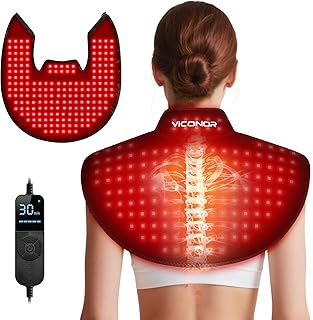
If you are searching for red light therapy to buy benefits, you probably want to know one thing before spending money: Is red light therapy worth buying? Red light therapy (RLT) uses specific wavelengths of red and near-infrared light to deliver light energy to the body without ultraviolet (UV) radiation.
People use red light therapy devices as part of their skincare, recovery, relaxation, and general wellness routines. However, results can depend on the device, wavelength, treatment area, frequency of use, and individual goals.
In this guide, we explain 10 potential red light therapy benefits, what to look for when buying a device, and how to make a more informed choice from brands such as infrared light-therapy.
What Is Red Light Therapy?
Red light therapy is a non-invasive wellness technology that exposes the body to specific wavelengths of red or near-infrared light. These wavelengths can interact with cells and may influence biological processes involved in skin health, inflammation, and tissue repair.
Red light is generally used for surface-level applications, while near-infrared light can penetrate deeper into tissue. Different devices use different combinations of wavelengths, so checking the specifications is important when shopping.
Is Red Light Therapy Worth Buying?
Red light therapy may be worth buying if you want a convenient, non-invasive addition to your home wellness routine. Research supports some applications, particularly certain skin and pain-related uses, but it is not a cure-all. Choose a device with clearly stated wavelengths, appropriate safety information, realistic claims, and instructions for use.
10 Red Light Therapy Benefits You Should Know
May Support Healthier-Looking Skin
One of the most popular reasons people buy red light therapy devices is skincare. Red and near-infrared light may support processes associated with collagen production and skin repair.
With consistent use, some people use RLT to support smoother-looking skin, improve overall skin appearance, and maintain a healthy complexion.
May Reduce the Appearance of Fine Lines
Collagen provides structure and firmness to the skin. Because red light may influence cellular activity involved in collagen production, it has attracted attention as a non-invasive option for people concerned about visible signs of aging.
Results are not instant, and regular use matters more than occasional sessions.
Supports a Convenient At-Home Routine
Another important benefit is convenience. Instead of visiting a wellness center for every session, a suitable home device can allow you to incorporate light therapy into your routine.
For busy users, convenience can make it easier to stay consistent.
May Support Exercise Recovery
Athletes and active adults are increasingly interested in photobiomodulation for recovery. Red and near-infrared light may influence cellular processes involved in muscle recovery and exercise-related discomfort.
It should complement,not replace,sleep, hydration, nutrition, and an appropriate training plan.
May Help With Temporary Muscle Discomfort
Some people use red and near-infrared light as part of a recovery routine after exercise or physical activity.
The potential benefit can vary depending on the treatment area, device specifications, exposure time, and individual response.
May Support Relaxation and Wellness
Although red light therapy is not a substitute for medical treatment, many people incorporate it into a broader wellness routine.
A quiet light therapy session can become a useful part of an evening or post-workout routine, especially when paired with other healthy habits.
Non-Invasive and UV-Free
Traditional tanning exposes the skin to ultraviolet radiation, while red light therapy devices are designed to use red and/or near-infrared wavelengths rather than UV light.
That makes RLT fundamentally different from tanning. However, “non-invasive” does not mean every device is appropriate for every person, so users should follow manufacturer safety instructions.
Can Target Specific Areas
Depending on the design, red light therapy devices can be used on specific areas such as the face, neck, arms, legs, or larger body regions.
Panels may be useful for broader coverage, while smaller devices can be convenient for targeted applications.
Easy to Add to a Regular Routine
Consistency is one of the biggest practical considerations when choosing RLT. A device that is easy to set up and use may be more useful than a complicated product that stays in a cupboard.
Before you buy red light therapy, consider where you will use it, how often you expect to use it, and whether its size fits your space.
Can Complement a Healthy Lifestyle
The best red light therapy benefits are most useful when viewed as part of a larger wellness strategy.
Regular movement, adequate sleep, balanced nutrition, stress management, and appropriate skincare still matter. Red light therapy should complement those habits rather than replace them.
What to Look for Before You Buy Red Light Therapy
Not every red light therapy device is the same. Before purchasing, compare:
| Feature | Why It Matters |
| Wavelengths | Helps you understand what type of light the device provides |
| Treatment area | Determines how much of your body you can treat at once |
| Light output | Helps assess the device’s treatment specifications |
| Usage instructions | Shows recommended session duration and distance |
| Safety information | Helps you use the device appropriately |
| Build quality | Important for regular home use |
| Warranty | Provides additional purchase confidence |
| Customer support | Useful if you have setup or usage questions |
How to Use Red Light Therapy at Home
For most home users, the basic process is simple:
Read the manufacturer’s instructions.
Clean and prepare the treatment area if needed.
Position the device at the recommended distance.
Use the recommended session length.
Follow the suggested treatment schedule.
Monitor how your skin or body responds.
Use protective eyewear when the manufacturer recommends it.
Who Should Consider Caution?
Red light therapy is generally considered non-invasive, but it may not be appropriate for everyone.
If you take medications that increase light sensitivity, have a condition affected by light exposure, have a photosensitive disorder, or have another medical concern, speak with a qualified healthcare professional before using light therapy.
Ready to Buy Red Light Therapy?
If you have decided that light therapy fits your wellness routine, take time to compare products rather than choosing solely by price.
Look for transparent specifications, sensible usage instructions, appropriate safety guidance, and a device that fits your actual needs. Infrared light-therapy can be part of your research when exploring home infrared and red light therapy options.
The goal is not simply to buy the most powerful-looking device. It is to choose a product you can use correctly and consistently.
Conclusion
Understanding the red light therapy buy benefits can help you make a smarter purchasing decision. RLT may support healthy-looking skin, collagen-related processes, exercise recovery, relaxation, and other wellness goals. However, results vary, and no device should be presented as a universal treatment.
Before you buy, compare wavelengths, coverage, specifications, safety information, instructions, and warranty support. With realistic expectations and consistent use, infrared light-therapy products may be a convenient addition to a broader home wellness routine.
FAQ
What are the main red light therapy buy benefits?
The main potential benefits include supporting healthy-looking skin, collagen-related skin processes, exercise recovery, and general wellness. Benefits vary by person and device, and research supports some applications more strongly than others.
Is it worth it to buy red light therapy for home use?
For many people, a home device can be worthwhile because it offers convenience and allows consistent use. The best choice depends on your goals, budget, treatment area, device specifications, safety information, and manufacturer instructions.
What are the best red light therapy benefits for skin?
Potential skincare benefits include supporting collagen-related processes and maintaining a healthier-looking complexion. Some people also use RLT as part of an anti-aging skincare routine.
How often should you use red light therapy?
The recommended schedule varies between devices. Follow the manufacturer’s instructions rather than assuming that more frequent or longer sessions are better.