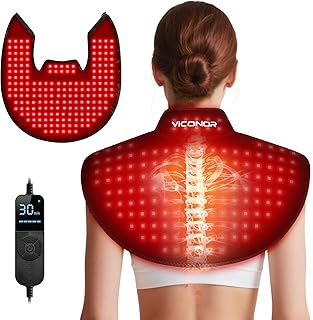
Red light therapy has become a popular option for people who want to support skin health, recovery, and everyday wellness at home. But with so many panels, masks, lamps, and handheld devices available, choosing the right product can be confusing.
Understanding the red light therapy benefits, how these devices work, and what specifications actually matter can help you make a smarter purchase. In this guide, we explain what red light therapy is, its potential benefits, how to choose a home device, and common mistakes to avoid.
For shoppers exploring home wellness technology, infraredlight-therapy offers products designed to make light-based wellness more convenient and accessible.
What Is Red Light Therapy?
Red light therapy is a non-invasive light-based approach that uses specific wavelengths of red and, in some devices, near-infrared light. These wavelengths are designed to deliver light to the skin and underlying tissues.
Unlike tanning beds, red light therapy does not rely on ultraviolet radiation. Home devices vary considerably in wavelength, power, treatment area, design, and recommended session time, so product specifications matter.
The term “red light therapy” is often used broadly. Some products combine visible red light with near-infrared light, while others provide red light alone.
Red Light Therapy Benefits: What Can It Support?
The potential red light therapy benefits depend on the wavelength, treatment dose, device design, and the specific goal of use. Research has explored applications involving skin appearance, wound healing, pain, inflammation, and hair-related outcomes.
Common areas of interest include:
- Supporting healthier-looking skin
- Improving the appearance of fine lines and wrinkles
- Supporting skin repair and tissue recovery
- Helping with temporary muscle and joint discomfort
- Supporting post-exercise recovery
- Promoting a general wellness routine
- Supporting certain hair-growth approaches
- Providing a convenient non-invasive home treatment
Results are not guaranteed, and red light therapy should not be viewed as a cure for medical conditions. The evidence also differs between applications.
What Are the Main Red Light Therapy Benefits?
The most commonly researched potential benefits involve skin health, tissue recovery, pain-related outcomes, and some hair-growth applications. However, results can vary based on wavelength, dose, treatment frequency, device quality, and individual factors.
For this reason, a good home routine focuses on consistent, appropriate use rather than simply choosing the most powerful-looking device.
How Does Red Light Therapy Work?
Red and near-infrared wavelengths can interact with biological tissues after exposure. Researchers have proposed that light may influence cellular processes, including activity involving mitochondria and cellular energy production.
A simple way to understand the concept is:
- The device produces a selected wavelength of light.
- Light reaches the targeted area.
- Cells absorb some of the available light.
- Cellular signaling and biological processes may be influenced.
- Repeated, appropriate exposure may support the intended wellness goal.
The exact response depends on wavelength, intensity, distance, exposure time, treatment area, and the individual.
That is why more light is not automatically better. Following the manufacturer’s recommended treatment distance and duration is important.
How to Choose the Best Red Light Therapy for Home
The “best” device depends on what you want to treat and how you plan to use it. Before buying, compare the features below.
| Feature | Why It Matters |
| Wavelength | Different wavelengths are used for different purposes |
| Treatment area | Larger panels can cover more of the body |
| Irradiance | Helps indicate how much optical power reaches the treatment area |
| Treatment time | Affects how convenient the device is for regular use |
| Device design | Determines positioning and ease of use |
| Safety information | Clear instructions support responsible use |
| Warranty | Useful for long-term ownership |
| Product support | Helps with setup and proper operation |
Red Light vs. Near-Infrared Light
Red light generally refers to visible wavelengths, while near-infrared light is outside the visible spectrum and has greater tissue penetration.
Some home devices combine both. If you’re comparing products, don’t choose based on the word “infrared” alone. Check the actual wavelength specifications and understand what the manufacturer recommends the device for.
Red Light Therapy Buying Checklist
Before purchasing a home device, ask these questions:
What wavelengths does it use?
Look for clearly stated wavelength information rather than vague claims.
What area does it cover?
A small device may suit facial use, while a larger panel can be more practical for broader areas.
Is irradiance provided?
Reliable manufacturers should provide useful technical information about output.
Are treatment instructions clear?
Look for recommended distance, session duration, frequency, and safety guidance.
Does the design fit your routine?
A device that is easy to position and use is more likely to become part of your routine.
Does the company provide support and warranty information?
Clear customer support adds confidence when purchasing an at-home wellness device.
Practical Tips for Using Red Light Therapy at Home
Getting the most from a device starts with using it correctly.
Start with the manufacturer’s instructions. Every device has different output and recommended exposure times.
Keep your sessions consistent. Red light therapy is generally approached as a repeated routine rather than a one-time treatment.
Use the recommended distance. Moving a device unnecessarily close can change the delivered light dose.
Keep the treatment area clean. For skin-focused applications, clean skin can make your routine easier to manage.
Protect your eyes when required. Follow the device’s specific eye-safety instructions, particularly when treating near the face.
Track your routine. Recording session frequency can help you stay consistent and evaluate changes over time.
Common Red Light Therapy Mistakes to Avoid
Even a well-designed device may not deliver the expected experience if it is used incorrectly.
Avoid these common mistakes:
- Assuming the most expensive device is automatically the best
- Ignoring wavelength specifications
- Using longer sessions than recommended
- Holding the device at an incorrect distance
- Expecting immediate dramatic results
- Buying products with unclear technical information
- Treating red light therapy as a replacement for professional medical care
- Focusing only on marketing claims instead of measurable specifications
Expert Insights
One of the biggest changes in the home light-therapy market is the growing number of available devices. Consumers now have more choices, but more choices also make comparison harder. A practical buying approach is to prioritize transparent specifications, appropriate wavelengths, useful treatment coverage, clear instructions, safety information, warranty support, and realistic claims.
Don’t buy a device simply because it promises to solve everything. A product designed around a specific use case may be more practical than a device making dozens of broad claims. Most importantly, remember that research findings do not automatically apply to every commercial device. Study protocols can differ from consumer products in wavelength, power, treatment duration, and frequency.
Is Red Light Therapy Worth Trying at Home?
For many people, home red light therapy can be an appealing wellness option because it is non-invasive and can be incorporated into a regular routine.
However, whether it is worthwhile depends on your goal, expectations, budget, and willingness to use the device consistently.
If you are considering red light therapy for a specific medical concern, speak with a qualified healthcare professional before relying on it as part of your treatment plan.
Conclusion
The potential red light therapy benefits make it an interesting option for people exploring at-home wellness, skin care, recovery, and other light-based applications. However, choosing the right product requires more than looking at price or marketing claims.
Focus on wavelength, irradiance, treatment coverage, instructions, safety information, build quality, and warranty support. Most importantly, choose a device that fits your intended use and daily routine. If you’re ready to explore home light-therapy options, infrared light-therapy provides products for consumers looking to make red and near-infrared light therapy part of their wellness routine.
Frequently Asked Questions
What are the main red light therapy benefits?
The main potential red light therapy benefits include supporting skin health, tissue recovery, certain pain-related outcomes, and some hair-growth applications. Research quality and results vary by condition, wavelength, dose, and treatment protocol.
Is red light therapy safe for home use?
Red light therapy is generally considered non-invasive, but home users should follow the device manufacturer’s instructions. Pay particular attention to treatment time, distance, and eye-safety guidance. People with specific medical conditions or concerns should seek professional advice before use.
How often should I use red light therapy?
The recommended frequency depends on the device and intended application. There is no single schedule that applies to every product. Follow the manufacturer’s instructions for session duration, treatment distance, and frequency rather than assuming longer or more frequent sessions will produce better results.
Does red light therapy work immediately?
Some people may notice changes quickly, but many potential outcomes require consistent use over time. Results vary between individuals and applications. Taking photographs or keeping a simple treatment log can make it easier to evaluate gradual changes objectively.
Is red light therapy the same as infrared therapy?
Not exactly. Red light generally refers to visible red wavelengths, while near-infrared light falls outside the visible spectrum. Some devices combine red and near-infrared wavelengths, so checking the product’s actual wavelength specifications is important.
What should I look for when buying red light therapy for home?
Look at the device’s wavelengths, irradiance, treatment area, recommended distance, session duration, safety instructions, warranty, and customer support. Choose specifications that match your intended use instead of buying solely based on price or marketing claims.