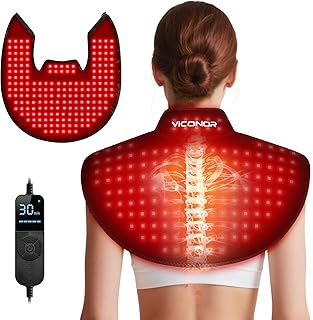
Wellness routines are becoming more practical, personalized, and focused on long-term habits. One option gaining attention is infra red light therapy, a non-invasive approach that uses specific wavelengths of light to support the body’s natural processes. But what are the real infra red light therapy benefits, and why are so many people adding light therapy to their daily wellness routines?
In simple terms, red and near-infrared light are studied for their effects on cellular function, circulation, skin health, exercise recovery, and temporary relief from certain types of discomfort. Results can vary based on the device, wavelength, treatment time, and individual needs.
At infraredlight-therapy, the goal is to make light-based wellness easier to understand and incorporate into a consistent routine.
What Is Infra Red Light Therapy?
Infra red light therapy uses specific wavelengths of red and near-infrared light to interact with biological tissues. Research suggests that these wavelengths may influence cellular activity, including processes related to energy production and tissue responses. It is commonly used as a wellness and skincare approach rather than as a replacement for medical care.
Red light generally targets more superficial tissues, while near-infrared wavelengths can penetrate deeper. This difference makes wavelength selection important when choosing a light therapy device.
Top Infra Red Light Therapy Benefits
The potential benefits depend on the wavelength, dose, treatment area, and individual response. Here are some of the most commonly researched applications.
Supports Skin Health
One of the best-known infra red light therapy benefits involves skin wellness. Red light therapy has been studied for its potential effects on collagen-related processes, skin appearance, and overall skin quality.
People commonly use light therapy as part of a skincare routine because it does not involve needles or harsh topical treatments.
May Support Muscle Recovery
Exercise places normal stress on muscles and connective tissues. Red and near-infrared light have been studied in relation to exercise performance and recovery.
Some users include light therapy after workouts as part of a broader recovery routine that also includes sleep, hydration, nutrition, stretching, and appropriate rest.
Helps Support Cellular Energy
A key reason researchers study red and near-infrared light is its interaction with cellular processes.
Light-sensitive components within cells may respond to certain wavelengths, potentially influencing mitochondrial activity and cellular energy production. This area remains an active subject of research.
May Help With Temporary Muscle and Joint Discomfort
Another commonly discussed benefit is support for temporary discomfort associated with exercise or everyday physical activity.
Photobiomodulation has been investigated for pain and inflammation-related applications. However, results vary, and light therapy should not be treated as a cure for an underlying medical condition.
Supports a Consistent Wellness Routine
One overlooked benefit is convenience. A wellness practice is easier to maintain when it fits naturally into your day.
Home red light therapy devices can allow users to create a repeatable routine without scheduling frequent appointments. Consistency matters because light therapy is generally approached as a process rather than a one-time treatment.
May Complement Active Lifestyles
People who exercise regularly often combine several recovery habits. Light therapy can be one part of that approach. For example, someone might use a light therapy session after training, followed by hydration, a balanced meal, gentle mobility work, and adequate sleep. The important point is that light therapy should complement healthy habits rather than replace them.
How Does Red Light Therapy Work?
Red light therapy works by exposing the body to selected wavelengths of red or near-infrared light for a controlled period. The light can interact with cells and may influence biological processes associated with cellular energy and tissue response.
A typical routine involves these steps:
Choose the treatment area. Identify the skin, muscle group, or body area you want to target.
Check the device instructions. Follow the recommended distance, session length, and frequency.
Position the device correctly. Maintain the manufacturer’s recommended distance from the treatment area.
Complete the session. Avoid assuming that longer exposure automatically means better results.
Stay consistent. Follow a reasonable schedule instead of using the device randomly.
Practical Tips for Using Infra Red Light Therapy
Getting the basics right can make your routine more comfortable and consistent.
- Read the manufacturer’s instructions before your first session.
- Use the recommended distance between your body and the device.
- Start with the suggested treatment duration.
- Keep your sessions consistent rather than excessively long.
- Clean the device according to its care instructions.
- Protect your eyes when the device instructions recommend eye protection.
- Track how your skin or body responds over time.
- Combine light therapy with sleep, movement, hydration, and balanced nutrition.
Common Mistakes to Avoid
Even though light therapy is generally simple to use, several mistakes can reduce the quality of your routine.
Using More Light Than Recommended
Longer sessions are not necessarily better. Follow the device’s recommended exposure time and distance.
Choosing a Device Without Checking Specifications
Look beyond appearance and marketing claims. Consider wavelength, irradiance, treatment area, safety information, instructions, and intended use.
Expecting Instant Results
Some wellness goals require consistent use over time. Avoid judging a routine after only one or two sessions.
Replacing Healthy Habits
Light therapy works best as part of a balanced lifestyle. It should not replace medical treatment, exercise, nutritious food, quality sleep, or professional advice.
Infra Red Light Therapy vs. Red Light Therapy
| Feature | Red Light Therapy | Near-Infrared Light |
| Typical wavelength range | Visible red wavelengths | Longer near-infrared wavelengths |
| Common focus | Skin and superficial tissues | Deeper tissue exposure |
| Visibility | Usually visible | Often invisible |
| Common wellness interest | Skin appearance and cellular support | Recovery and deeper tissue applications |
| Best approach | Follow device specifications | Follow device specifications |
Expert Insights
Instead of choosing a product solely because it promises many benefits, examine the technical information. Wavelength, irradiance, treatment area, recommended distance, session duration, and safety instructions all matter. It is also useful to distinguish between research-supported potential benefits and marketing claims. Scientific evidence for photobiomodulation is promising in several areas, but research quality and outcomes vary by condition and protocol.
For consumers exploring light therapy at home, the most practical strategy is simple: choose an appropriately designed device, follow its instructions, use it consistently, and evaluate your experience over time. infraredlight-therapy provides light-based wellness products designed for people who want to make this type of routine part of their everyday self-care.
Conclusion
The potential infra red light therapy benefits make this technology an interesting addition to a modern wellness routine. From supporting skin health and cellular processes to complementing exercise recovery, red and near-infrared light have several areas of active research.
However, realistic expectations are important. Light therapy is not a universal solution, and results can differ from person to person. For those interested in exploring home light therapy, infrared light-therapy offers a convenient way to learn about and incorporate light-based wellness into a consistent routine.
Frequently Asked Questions
What are the main infra red light therapy benefits?
Infra red light therapy may support skin health, cellular energy processes, exercise recovery, and temporary muscle or joint discomfort. Benefits vary according to the wavelength, treatment protocol, device specifications, and individual response. It should be viewed as a wellness tool rather than a replacement for medical treatment.
Is red light therapy the same as infrared light therapy?
Not exactly. Red light is visible and generally targets more superficial tissues, while near-infrared light has longer wavelengths and can penetrate deeper. Many modern devices combine red and near-infrared wavelengths to provide broader light therapy applications.
How often should I use infrared light therapy?
The ideal frequency depends on the device, wavelength, irradiance, treatment area, and intended use. Always follow the manufacturer’s instructions rather than assuming that daily or longer sessions are automatically better. Consistency and appropriate exposure are more important than excessive use.
Can I use red light therapy at home?
Yes, many red light therapy devices are designed for home use. Before purchasing one, check its wavelength information, irradiance, treatment area, safety guidance, recommended distance, and session duration. Following the manufacturer’s instructions is essential for responsible use.
How long does it take to see infrared light therapy benefits?
There is no single timeline because results depend on the goal, device, treatment protocol, and individual response. Some people may notice changes in how their skin or body feels over time, while other outcomes require longer-term consistency. Avoid expecting dramatic results from only one or two sessions.