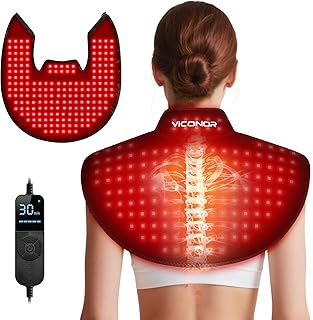
Red light therapy has become a popular at-home wellness option for people interested in skin care, recovery, and general wellness. But with so many devices available, how do you know which one is right for you?
The best red light therapy benefits can depend on the wavelength, treatment area, device quality, power output, treatment time, and how consistently you use it. Red light therapy, also called photobiomodulation, uses specific wavelengths of light to interact with cells and support natural biological processes.
In this guide, we’ll explain how red light therapy works, its potential benefits, common uses, buying factors, and practical tips for choosing an at-home device from brands such as infrared light-therapy.
What Is Red Light Therapy?
Red light therapy is a non-invasive treatment that uses specific wavelengths of red and near-infrared light. These wavelengths are designed to reach the skin and, depending on the wavelength and device, deeper tissues.
Unlike ultraviolet light, red and near-infrared light are not intended to cause tanning or sunburn. Photobiomodulation is studied for several applications, including skin health, pain-related outcomes, and tissue recovery.
The important point is that more light is not automatically better. Wavelength, irradiance, treatment distance, exposure time, and consistency all influence how a device should be used.
What Are the Best Red Light Therapy Benefits?
The potential benefits of red light therapy include supporting skin appearance, cellular function, recovery, and some pain-related outcomes. Research varies by condition and treatment protocol, so results should not be treated as guaranteed.
Common areas of interest include:
- Supporting healthier-looking skin
- Improving the appearance of fine lines
- Supporting collagen-related skin processes
- Helping maintain skin firmness
- Supporting exercise recovery
- Helping with temporary muscle soreness
- Supporting tissue-repair processes
- Supporting overall wellness routines
Red Light Therapy for Skin: What Does It Do?
One of the most researched consumer uses of red light therapy is skin care. Red light skin therapy benefits may include supporting collagen production and improving the overall appearance of the skin over time.
What Are the Main Red Light Skin Therapy Benefits?
Red and near-infrared light may support cellular activity involved in skin repair and collagen-related processes. With consistent use, some people use light therapy as part of a routine focused on skin texture, tone, firmness, and signs of aging.
However, results can vary based on age, skin condition, device specifications, treatment schedule, and individual response.
For home use, red light therapy is best viewed as a supportive skin-care treatment, not a replacement for sunscreen, a healthy diet, professional dermatological care, or proven medical treatments.
Red Light Therapy for Recovery and Wellness
Red and near-infrared light devices are also commonly used around workouts and physical activity. Some research suggests photobiomodulation may support certain recovery-related outcomes and help with pain or soreness in specific situations. The results depend heavily on the treatment protocol and the condition being studied.
For example, someone who exercises regularly may use an at-home device as part of a recovery routine alongside adequate sleep, hydration, nutrition, stretching, and appropriate training. This is where consistency matters. A device used occasionally may not provide the same experience as one incorporated into a sensible, regular routine.
How to Choose the Best Red Light Therapy Device for Home
Choosing a device should involve more than looking at price or the number of LEDs.
Consider these factors:
| Factor | What to Look For |
| Wavelength | Clearly stated red and/or near-infrared wavelengths |
| Coverage | Match the treatment area you want to target |
| Irradiance | Look for reliable, clearly reported specifications |
| Treatment time | Choose a device with practical session requirements |
| Build quality | Durable construction and clear operating instructions |
| Safety | Appropriate eye and usage guidance |
| Warranty | A transparent warranty and customer support |
| Instructions | Clear distance, timing, and usage recommendations |
How to Use Red Light Therapy at Home
For most home devices, the safest approach is to follow the manufacturer’s instructions rather than creating your own high-dose routine.
Simple Step-by-Step Routine
- Read the device instructions. Check recommended distance and session duration.
- Prepare the treatment area. Clean skin is generally easier to treat consistently.
- Position the device correctly. Maintain the recommended distance.
- Protect your eyes when required. Follow the manufacturer’s eye-safety instructions.
- Complete the recommended session. Avoid extending sessions simply because you want faster results.
- Stay consistent. Follow the recommended schedule over time.
- Monitor your response. Stop use and seek appropriate professional advice if you experience concerning reactions.
Practical Tips for Better Results
A few simple habits can make an at-home routine easier to maintain.
- Take photos at regular intervals if your goal is skin appearance.
- Use the same lighting when comparing progress photos.
- Keep your treatment schedule consistent.
- Follow the recommended device distance.
- Do not assume longer sessions mean better results.
- Keep the device clean and stored correctly.
- Combine light therapy with basic skin-care and healthy lifestyle habits.
- Review the manufacturer’s specifications before purchasing.
Common Red Light Therapy Mistakes to Avoid
Many disappointing experiences come from incorrect expectations or improper use.
Choosing based only on price: A cheap device is not necessarily a good value if its specifications are unclear.
Ignoring wavelength information: A reputable product should clearly explain what wavelengths it uses.
Using it for too long: Follow the recommended exposure time instead of assuming more is better.
Expecting overnight results: Light therapy is generally a consistency-based approach.
Treating every device as identical: Panels, masks, handheld devices, and other products can have very different specifications.
Expert Insight
When evaluating red light therapy, look beyond marketing claims. A high-quality buying decision starts with measurable information. Check the wavelength, irradiance, treatment area, recommended distance, session length, warranty, and safety instructions.
It is also useful to distinguish between red light and near-infrared light. They are related technologies, but wavelength determines how light interacts with tissue. Therefore, a device should be selected according to your intended use rather than simply choosing the device with the most LEDs.
Conclusion
The best red light therapy benefits may include support for skin health, appearance, recovery, and certain wellness goals. However, outcomes depend on the device, wavelength, dose, treatment area, consistency, and individual circumstances.
If you are considering an at-home device, focus on transparent specifications and practical usability rather than exaggerated promises. infraredlight-therapy offers a starting point for exploring red and infrared light therapy products for home use.
Frequently Asked Questions
What are the best red light therapy benefits?
The potential benefits include supporting skin appearance, collagen-related processes, recovery, and certain pain-related outcomes. Results vary by condition, wavelength, dose, and individual response. Red light therapy should be considered a supportive wellness or skin-care option rather than a guaranteed treatment.
Does red light therapy really work for skin?
Research suggests red light therapy may support aspects of skin health and appearance, including processes associated with collagen. However, results vary between individuals and devices. Consistent use according to the manufacturer’s instructions is important when evaluating whether a particular device works for you.
What are the main red light skin therapy benefits?
Potential red light skin therapy benefits include supporting skin firmness, texture, and the appearance of fine lines. Red light may influence cellular processes associated with collagen and tissue repair. The results depend on factors such as wavelength, dose, treatment schedule, and individual response.
How often should you use red light therapy at home?
There is no single schedule that works for every device. Follow the manufacturer’s recommended treatment frequency, session duration, and distance. Avoid assuming that longer or more frequent sessions will produce faster results.
Is red light therapy safe for home use?
Red light therapy is generally considered non-invasive, but safety depends on correct device use. Follow the manufacturer’s instructions, especially regarding eye protection and exposure time. People with specific medical conditions or light-sensitive medications should seek appropriate professional advice before use.