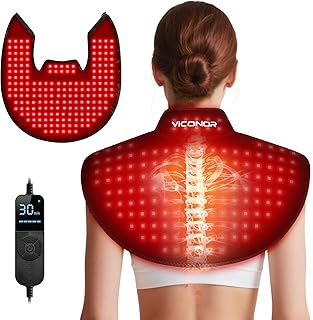
If you are exploring infra red light therapy benefits, you have probably seen claims about better skin, muscle recovery, relaxation, and everyday wellness. But what does infrared light therapy actually do, and what should you look for before buying a device?
Infrared and red light therapy are forms of photobiomodulation.They use specific wavelengths of light to interact with cells without relying on ultraviolet radiation. Research has explored PBM for areas such as pain, tissue repair, hair growth, and exercise recovery, although results vary by condition and treatment settings.
For shoppers considering wellness products online, understanding the technology, expected benefits, safety, and device specifications can help you make a more informed decision. This guide from infraredlight-therapy explains the key points in simple terms.
What Is Infrared Light Therapy?
Infrared light therapy is a non-invasive wellness approach that uses specific wavelengths of red and near-infrared light. These wavelengths can interact with biological tissues and are being studied for effects related to cellular function, recovery, pain, skin health, and other areas. The scientific term commonly used is photobiomodulation. Unlike ultraviolet light, red and near-infrared therapy does not use UV radiation. Instead, devices use LEDs or other light sources designed to deliver controlled wavelengths to the body.
How Does Infrared Light Therapy Work?
Photobiomodulation works by delivering light energy to tissue. Researchers propose that certain wavelengths can influence cellular processes, including mitochondrial activity and signaling pathways.
In simple terms, the goal is to give cells a controlled light stimulus that may support normal biological processes. However, more light is not automatically better. Wavelength, irradiance, treatment time, distance, and frequency can all affect the outcome. This is why device specifications matter when shopping for infrared wellness products online.
Infra Red Light Therapy Benefits
The potential benefits depend on the treatment goal, device, wavelength, and protocol. Research supports some applications more strongly than others.
Supports Skin Health
Red and near-infrared photobiomodulation has been studied for skin rejuvenation and tissue repair. Research suggests that PBM can influence cellular activity involved in skin health.
People commonly use light therapy as part of a skincare and wellness routine because it is non-invasive and does not involve harsh procedures.
May Support Muscle Recovery
Athletes and active adults often explore red and near-infrared light for recovery after exercise. Research on whole-body PBM has investigated recovery and performance, although the evidence is still developing and treatment protocols differ between studies.
For everyday users, the practical goal is usually simple: add a convenient recovery-focused session to an existing wellness routine.
May Help With Certain Types of Pain
One of the more widely studied areas of photobiomodulation is pain and musculoskeletal health. An umbrella review of randomized clinical trials found evidence of benefit for several outcomes, including disability associated with knee osteoarthritis and pain-related conditions. However, the certainty of evidence varies, so PBM should not be viewed as a universal treatment for every type of pain.
Supports Tissue Repair
PBM has also been researched for wound healing and tissue-related applications. A recent evidence-based consensus identified wound ulcers among applications where photobiomodulation can be an effective treatment option under appropriate clinical protocols.
For home users, however, a consumer wellness device should not replace professional medical care for a serious wound or injury.
May Support Hair Growth
Another area of research is androgenetic alopecia, commonly known as pattern hair loss. A systematic review and meta-analysis found evidence that photobiomodulation may improve hair-related outcomes, including hair density, in androgenetic alopecia.
Results can vary, and consistent use with an appropriate device and protocol is important.
Convenient Home Wellness
One of the biggest practical benefits is convenience. Home-use PBM devices have been studied for several applications and can allow users to follow repeated treatment schedules without visiting a clinic each time. Research on home devices has reported generally positive findings, while also noting that additional high-quality trials are needed.
Red Light vs. Near-Infrared Light
Red and near-infrared light are closely related but are not identical.
| Feature | Red Light | Near-Infrared Light |
| Typical use | Skin-focused wellness | Deeper tissue-focused applications |
| Visibility | Usually visible red light | Usually invisible |
| Common research areas | Skin, hair, tissue health | Pain, recovery, tissue-related applications |
| Home use | Common | Common |
| Key consideration | Wavelength and dose | Wavelength, dose, and treatment depth |
What to Look for Before Buying
Before choosing from the many wellness products online, check the following:
Wavelength information: A reputable product should clearly state its wavelengths.
Irradiance: Look for clear information about light output at a stated distance.
Treatment instructions: The manufacturer should explain recommended session times and positioning.
Coverage area: Decide whether you need a small targeted device or a larger panel.
Build quality: Check construction, cooling, controls, and warranty information.
Transparent claims: Avoid products promising to cure numerous unrelated medical conditions.
Safety information: Clear usage warnings and eye-protection instructions are important.
Practical Tips for Using Infrared Light Therapy
For a consistent home routine:
- Follow the manufacturer’s recommended distance and session time.
- Start with the recommended exposure rather than assuming longer sessions work better.
- Keep your treatment schedule consistent.
- Take care of your skin and maintain normal wellness habits alongside light therapy.
- Track how you feel and avoid increasing exposure simply because you want faster results.
- Use eye protection when the device instructions recommend it.
- Stop use if you experience unusual or persistent discomfort.
Common Mistakes to Avoid
Buying Based Only on Price
The cheapest device is not necessarily the best value. Missing wavelength, irradiance, warranty, or safety information can make product comparison difficult.
Assuming More Light Means Better Results
PBM follows a dose-dependent relationship, and research protocols vary considerably. Higher intensity or longer exposure does not automatically produce better results.
Expecting Instant Changes
Some potential benefits require repeated use. Research on home-use PBM also highlights the need for more standardized and high-quality studies.
Treating Marketing Claims as Medical Facts
Be cautious when a product promises to cure a long list of diseases. Look for evidence related to the exact wavelength, condition, device type, and treatment protocol.
Expert Insights
The most important point is that photobiomodulation is not one single treatment with one guaranteed result. Evidence has become stronger for certain applications, while other popular wellness claims still require more research. A 2025 expert consensus described PBM as a safe modality for adults and identified several clinical applications with supporting evidence, while an umbrella review found that certainty varied from low to moderate across many outcomes.
This distinction matters when buying a home device. A trustworthy approach focuses on realistic wellness goals rather than promising dramatic results.
Safety Considerations
Red and near-infrared PBM is generally considered well tolerated when used within established parameters, but individual circumstances matter. Research has reported mostly mild or temporary effects in studied applications.
If you have a medical condition, take photosensitizing medication, are pregnant, or are receiving medical treatment, speak with an appropriate healthcare professional before starting a new light-therapy routine.
Most importantly, follow the device’s instructions and do not use a wellness device as a substitute for medical diagnosis or treatment.
Conclusion
Understanding the infra red light therapy benefits can help you make a smarter decision before purchasing a home device. Potential areas of benefit include skin health, recovery, tissue support, certain pain-related outcomes, and hair-growth support, but results depend on the application and treatment protocol. infrared light-therapy aims to make light-based wellness products easier to explore and understand. Choose a device based on your personal goals, use it consistently, and keep your expectations realistic.
Frequently Asked Questions
What are the main infra red light therapy benefits?
Potential benefits include supporting skin health, recovery, tissue repair, certain pain-related outcomes, and hair growth. Results vary by wavelength, dose, and treatment.
Is infrared light therapy safe?
It is generally well tolerated when used as directed. Follow the device instructions and consult a healthcare professional if you have medical concerns.
How often should I use infrared light therapy?
Follow the recommended schedule for your device. Treatment frequency depends on the wavelength, intensity, treatment area, and your wellness goals.
Is infrared light better than red light?
Neither is always better. Red and near-infrared light have different properties, and some devices combine both wavelengths.
Can infrared light therapy help with muscle recovery?
It may support exercise recovery, but results vary. Use it as part of a broader recovery routine rather than expecting guaranteed results.