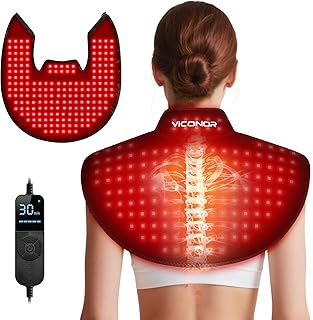
Choosing the right infrared light therapy device for home use can feel confusing. With so many panels, lamps, masks, and portable devices available, it is important to look beyond price and marketing claims.
Understanding the infra red light therapy benefits, wavelength, treatment area, power, safety features, and ease of use can help you make a smarter decision. Photobiomodulation, often called red or near-infrared light therapy, has been studied for several applications, although the strength of evidence varies by condition and treatment protocol.
For shoppers researching home wellness options, infrared light-therapy provides an opportunity to compare what matters before choosing a device.
What Is Infrared Light Therapy?
Infrared light therapy uses specific wavelengths of light to interact with tissues without using ultraviolet radiation. Red and near-infrared wavelengths are commonly used in photobiomodulation devices.
The goal is to deliver an appropriate amount of light to a target area. Research has investigated photobiomodulation for areas such as pain management, wound healing, hair growth, and other health outcomes, but results depend on the condition, wavelength, dose, and treatment schedule.
For home users, the most important point is simple: a good device should provide clearly stated specifications and straightforward instructions rather than relying only on broad wellness claims.
How to Choose an Infrared Light Therapy Device
The best device depends on your goals, treatment area, budget, and how often you expect to use it.
Identify Your Main Goal
Start by deciding what you want from light therapy.
For example:
- General wellness and relaxation
- Skin-care support
- Muscle recovery
- Supporting exercise recovery
- Targeted body areas
- Scalp and hair-care routines
- Broader-area light exposure
Check the Wavelengths
Wavelength is one of the most important specifications. Red light is generally associated with visible wavelengths, while near-infrared light sits beyond the visible red spectrum and can penetrate farther into tissue.
Do not choose a product simply because it says “infrared.” Look for the actual wavelength specifications provided by the manufacturer.
Compare Treatment Coverage
Consider how much of your body you want to treat during each session.
| Device Type | Best For | Coverage |
| Handheld | Small targeted areas | Low |
| Small panel | Face or individual areas | Moderate |
| Large panel | Multiple body areas | High |
| Flexible/wearable device | Convenient targeted sessions | Low–Moderate |
| Full-body setup | Larger treatment routines | High |
Look at Irradiance and Dose Information
Irradiance describes the amount of optical power delivered over an area, usually expressed in mW/cm². Treatment dose is commonly discussed in joules per square centimeter.
These specifications matter because more light is not automatically better. Effective photobiomodulation depends on parameters such as wavelength, irradiance, exposure time, and treatment distance.
Choose a device that provides clear instructions instead of asking you to guess how long or how close to use it.
Red Light vs. Near-Infrared Light
Red light is visible to the human eye and is commonly used in devices designed for skin-focused applications. Near-infrared light has a longer wavelength and is invisible to the eye. Many devices combine both types to provide different wavelengths in one treatment system.
The right choice depends on your intended use. Instead of assuming one wavelength is universally better, check the manufacturer’s specifications and whether they match your intended application.
Infrared Light Therapy Benefits
What are the potential infrared light therapy benefits? Research suggests that photobiomodulation may support certain outcomes involving pain, tissue repair, hair growth, and other areas, but evidence is not equally strong for every use.
A 2025 umbrella review covering 204 randomized controlled trials found significant effects for several outcomes, while also noting that many other outcomes had low or very low certainty.
Potential areas of interest include:
- Supporting muscle and exercise recovery
- Helping manage certain types of pain
- Supporting skin health and appearance
- Supporting wound-healing processes under appropriate clinical conditions
- Supporting hair density in some forms of hair loss
- Complementing certain wellness and recovery routines
Practical Tips for Home Use
Once you select a device, using it consistently and correctly is just as important as the device itself.
Follow these practical steps:
- Read the instructions carefully. Check recommended distance, session length, and frequency.
- Start with the manufacturer’s recommended schedule. Avoid assuming longer sessions will produce better results.
- Keep the treatment area consistent. This makes it easier to track your experience.
- Use the correct distance. Irradiance can change significantly as the distance from the light source changes.
- Protect your eyes when instructed. Follow the device’s specific eye-safety guidance.
- Track your routine. Record session dates and duration so you can maintain consistency.
- Stop if you experience an unexpected reaction. Follow the product instructions and seek professional advice when appropriate.
Common Mistakes to Avoid
Buying the cheapest device is not always the best strategy. Avoid these common mistakes:
Choosing based only on price: A low-cost product may not provide enough information about wavelengths, irradiance, treatment distance, or instructions.
Ignoring treatment coverage: A tiny device may become inconvenient if you want to treat larger areas regularly.
Assuming more power means better results: Light therapy follows specific dose parameters. More exposure is not automatically more effective.
Trusting exaggerated claims: Be cautious about products promising to treat numerous diseases or deliver instant results.
Skipping safety information: Home devices should come with clear instructions, warnings, and appropriate usage guidance. The FDA notes that home-use devices have unique safety considerations and recommends reviewing instructions before use.
Expert Insights for Choosing a Device
A practical way to evaluate an infrared light therapy device is to use the “specifications before slogans” rule.
Before purchasing, check:
- Exact wavelengths
- Irradiance information
- Recommended treatment distance
- Recommended session duration
- Treatment area
- Device construction and cooling
- Eye-safety instructions
- Warranty and return policy
- Manufacturer information
- Appropriate regulatory or safety information for the intended use
Conclusion
Choosing the best home device starts with understanding your goals and comparing the specifications that actually affect treatment. Look at wavelengths, treatment coverage, irradiance, recommended dose, usability, and safety information before making a purchase.
The potential infra red light therapy benefits are promising for several applications, but results can vary and should not be presented as guaranteed. Research continues to clarify which protocols work best for specific conditions.
With the right information, you can choose a device that fits your needs and build a practical home wellness routine with infrared light-therapy.
Frequently Asked Questions
What are the main infra red light therapy benefits?
Potential infra red light therapy benefits include support for certain pain-related outcomes, tissue repair, skin health, recovery, and hair-growth outcomes. However, research quality varies by condition, wavelength, dose, and treatment protocol, so results should not be guaranteed.
Is infrared light therapy safe to use at home?
Photobiomodulation has a generally favorable safety profile when used appropriately, and a recent expert consensus found PBM to be safe for adult patients under established parameters. Always follow the device instructions and consult a healthcare professional when you have a medical concern.
What should I look for in an infrared light therapy device?
Look for clearly stated wavelengths, irradiance information, recommended treatment distance and duration, coverage area, safety instructions, warranty information, and transparent manufacturer details.
Is red light or infrared light better?
Neither is universally “better.” Red and near-infrared light use different wavelengths and may be selected for different applications. Many devices combine both. Your choice should depend on your intended use and the specifications of the device.
How often should I use infrared light therapy?
There is no single schedule that applies to every device or purpose. Follow the manufacturer’s recommended session length, distance, and frequency. Research protocols vary, so avoid assuming that longer or more frequent treatment is automatically better.